
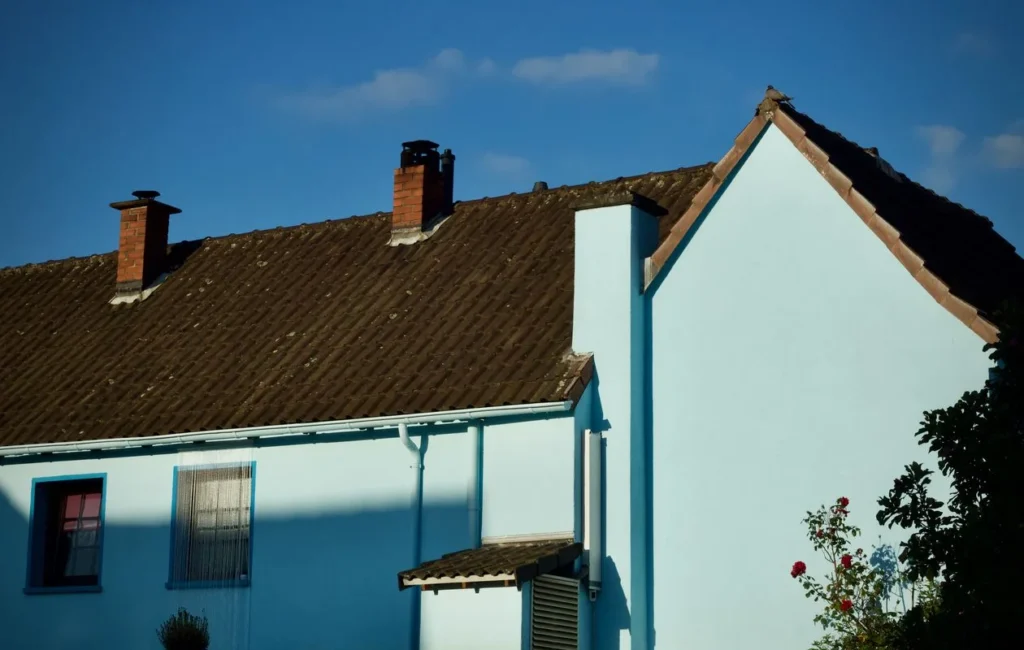
Picture this: two houses on the same street in Allen. Same builder, same year, same shingles — or so the owners thought. One roof is replaced at year twelve after a string of leaks. The other one is still going strong at year twenty-two. Same neighborhood, same Texas sun, completely different stories. If you own a home in Allen, you have probably wondered which story your roof is living.
Ask around Texas and you will hear every answer imaginable. One neighbor swears roofs here die at fifteen years. A contractor at a barbecue says his metal roof will outlive him. Your uncle insists his shingles are “fine” at twenty-eight, though you can see the curl from the sidewalk. Everyone sounds confident. Almost nobody is talking about the same thing.
Here is the honest answer to how long does a roof last in Texas: it depends on the material, the heat, the storms, the ventilation, the installation, and whether anyone ever looked at it. In Texas, the sun works your roof like a second job. Summer after summer of 100-degree days, surprise hailstorms, and wild temperature swings can cut years off a manufacturer brochure promise.
At Roof Repairs Allen TX, we climb Texas roofs every week. We can tell you from real rooftops — not brochures — what ages a roof here and which materials truly hold up. You will learn the five warning signs your roof is near the end, and how to squeeze every possible year out of the one you have.
Roof Lifespan in Texas by Material
Not all roofs are built for the same lifetime, and in Texas the gap between materials gets bigger, not smaller. A material that survives thirty years in Ohio can give up ten years earlier under an Allen summer. These are the real numbers behind how long does a roof last in Texas — material by material, based on what we see on local rooftops year after year.
Asphalt Shingle Roof in Texas: 12–25 Years

An asphalt shingle roof in Texas is the most common sight in Allen — and the one with the widest range. Basic three-tab shingles typically last twelve to fifteen years here. Architectural (dimensional) shingles, the thicker laminated kind most homes have today, usually go eighteen to twenty-five years. Premium impact-resistant shingles can push toward thirty when everything goes right.
The catch is that “everything going right” is doing a lot of work in that sentence. The Texas sun is brutal on asphalt. UV radiation bakes the oils out of shingles. The granule coating that protects them slowly washes into your gutters. And repeated hail — Texas leads the nation in hailstorms — bruises the mat underneath. A south-facing slope in full sun can age noticeably faster than the shaded north slope on the very same house. If your home has an asphalt shingle roof in Texas, stop guessing and get it inspected once you pass the ten-year mark.

Metal Roofs: 40–70 Years
Metal is the marathon runner of Texas roofing. A properly installed standing-seam metal roof commonly lasts forty to seventy years — sometimes more. Metal shrugs off UV the way shingles cannot, sheds heat fast so your attic stays cooler, and handles hail far better than most people expect. Premium metals like copper and zinc can last even longer, but they are rare on Allen homes.
Metal is not maintenance-free, though. Fasteners can loosen over decades, protective coatings can wear, and a cheap screw-down panel installation ages much faster than a quality standing-seam system. Still, if you are wondering how long does a roof last in Texas with the least maintenance, metal is the honest champion. No other material stretches roof lifespan in Texas quite like it. The main reason more Allen homes do not have metal roofs is simple: the upfront cost is higher, so homeowners weigh it against how long they plan to stay.
Tile and Slate Roofs: 50–100+ Years
Clay and concrete tile roofs laugh at Texas heat — they were born for it. The tiles themselves can last fifty to sixty years or more, and natural slate can cross the hundred-year mark. You will see tile holding its color and shape on homes where neighboring shingle roofs have been replaced twice.
The hidden weak point is not the tile; it is the underlayment beneath it. In Texas heat, underlayment can wear out in twenty to thirty years, long before the tiles do. Replacing underlayment means lifting and resetting the tile — a real project, but far cheaper than a full re-roof. Tile is also heavy, so older homes need a structure check before choosing it. For homeowners asking about roof lifespan in Texas in the longest possible terms, tile and slate are the answer — with that one asterisk about what is underneath.
Flat Roofs (TPO and Modified Bitumen): 10–20 Years
Flat and low-slope sections — over a garage, a patio cover, or a commercial-style addition — usually use TPO, modified bitumen, or EPDM. In Texas, these membranes typically last ten to twenty years. They sit in pooled water and full sun with nowhere to hide, so seams and flashing are everything. If your home has a flat section, treat it like a separate roof with its own, shorter clock.
5 Things That Cut Your Roof’s Life Short in Texas Heat
Two identical roofs can live very different lives. The difference is almost always one of these five forces — the same five that decide roof lifespan in Texas more than any brochure number.
1. Relentless Sun and UV Radiation
Texas summers are not just hot — they are a slow chemical attack. Day after day above one hundred degrees, UV radiation breaks down the binders in asphalt shingles. It fades and chalks coatings. It makes everything brittle. Shingles that lose flexibility crack instead of flexing when the next storm hits. This is the number-one reason a roof in Texas ages faster than the same roof would in a milder state. It is also the reason ventilation and reflective materials matter so much here.
2. Hailstorms and High Winds
Ask any Allen homeowner about spring weather and you will get a story. Texas sees more hailstorms than any other state, and hail does not have to be golf-ball sized to hurt a roof. Even pea-sized hail at the wrong angle can bruise shingles. It knocks granules loose and starts a slow leak that shows up two years later. High winds lift shingle edges, break seals, and drive rain sideways under flashing. One bad storm season can erase five years of a roof’s life. After every major storm, a quick professional look is the cheapest insurance you will ever buy. Our guide to hail damage roof repair in Allen TX shows exactly what to check.
3. Poor Attic Ventilation
This is the silent killer most homeowners never think about. Without proper ventilation, your attic becomes an oven. Heat and moisture build up under the roof deck and cook your shingles from below while the sun cooks them from above. Trapped moisture can rot decking, grow mold, and void shingle warranties. We have seen fifteen-year-old roofs that look twenty-five, and the attic told the whole story: no ridge vent, blocked soffits, stagnant superheated air. Good ventilation does not just cool your house; it can add real years to your roof.
4. Installation Shortcuts
A roof is only as good as the crew that installed it. Skipped underlayment, reused flashing, misaligned shingles, too few nails, no starter strip — shortcuts hide under the surface for years and then fail all at once. This is why the cheapest bid is often the most expensive roof. A quality installation by an experienced local crew can be the difference between a roof that dies at twelve years and one that sails past twenty. When your roof was installed, and by whom, matters as much as what it is made of.
5. Skipped Maintenance
Roofs do not take care of themselves. Clogged gutters back water up under shingles. Overhanging branches scrape granules off every time the wind blows. A single cracked boot around a vent pipe becomes a leak that rots decking for a year before anyone notices a stain. None of these are expensive to fix when caught early. Almost all of them become expensive when ignored. A little attention, once or twice a year, is the highest-return investment your roof will ever get.
How Long Does a Roof Last in Texas Before It Needs Repairs?
Here is a truth that surprises people: most roofs do not die all at once. They send signals for years. The question of how long does a roof last in Texas is really two questions. How long until it needs its first real repairs? And how long until repairs stop making sense?
An asphalt shingle roof in Texas often needs its first meaningful repairs somewhere between years eight and fifteen. A few lifted shingles after a windstorm. Some worn flashing. A cracked pipe boot. Those are normal, fixable, and no reason to panic.
The shift happens when repairs stop being isolated and start being everywhere. Watch for these five signs — they are your roof telling you its lifespan is running out.
Granule Loss and Bald Spots
Those sand-like granules in your gutters are your shingles’ sunscreen. When they wash away in volume, the asphalt underneath is exposed to raw UV, and aging accelerates fast. If you can see dark bald patches or the fiberglass mat showing through, that section of roof is on borrowed time. A little granule loss is normal; handfuls of it are a countdown.
Curling, Cracked, or Missing Shingles
Shingles that curl at the edges, crack down the middle, or go missing after ordinary wind have lost their flexibility and seal. Heat does this gradually, then storms finish the job. A few damaged shingles can be replaced. When you can spot damage from the driveway without looking hard, the roof is telling you something bigger.
Leaks, Ceiling Stains, and Sagging
Water stains on ceilings, damp spots in the attic, or — worst of all — a sagging section of roof deck mean water has been getting in for a while. By the time a stain appears inside, the leak above is usually older than you think. Sagging is a structural red flag and needs immediate professional attention, not a wait-and-see approach.
What to Do When You Spot These Signs
Do not wait for the next storm to confirm your suspicions. Document what you see with photos from the ground, note where stains appear inside, and call a local roofer for an honest inspection. A good inspection tells you three things: what is wrong, whether repair or replacement is the smart move, and how urgent it really is. If you are in Allen, reach out to us — we will tell you straight whether your roof has years left or is asking for retirement.

How to Make Your Roof Last Longer in Texas
Good news: you are not powerless here. The answer to how long does a roof last in Texas is partly up to you. Homeowners who do a few simple things consistently get noticeably more life out of the same roof. None of this is complicated, and none of it costs much compared to a premature replacement.
Get a Yearly Roof Inspection
Once a year — and after every major hail or windstorm — have a professional walk your roof. An inspection catches the small stuff: lifted shingles, tired flashing, cracked sealant, worn pipe boots. Each of these is a cheap fix today and a leak tomorrow. Think of it like a dental checkup for your house: boring, quick, and the reason you avoid the painful bill. Our roofing services in Allen TX include thorough inspections that tell you exactly how much life your roof has left.
Keep Gutters and Trees in Check
Clean gutters twice a year so water flows away instead of backing up under your shingles. Trim branches that hang over the roof — they scrape off granules, drop debris that holds moisture, and become battering rams in a storm. Five feet of clearance between the nearest branch and your roofline is a good rule of thumb.
Fix Small Damage Early
This is the habit that separates twenty-year roofs from twelve-year roofs. A ten-minute fix on a cracked vent boot, a tube of sealant on tired flashing, replacing the three shingles the wind lifted — small, fast, cheap. Water is patient and relentless; it exploits every tiny opening. Close the openings before water finds them, and your roof’s lifespan in Texas stretches further than the brochure ever promised.
Roof Repair or Texas Roof Replacement: Which Do You Need?
Sooner or later every Texas homeowner faces this fork in the road. When homeowners ask us how long does a roof last in Texas, this decision is usually what they really mean. Here is how to think about a Texas roof replacement versus another round of repairs — without the sales pressure.
When Repair Makes Sense
Repair is the smart call when the damage is limited and the roof is still within its expected lifespan. A windstorm tore off a dozen shingles? Repair. One flashing joint is leaking around the chimney? Repair. The roof is twelve years old, the shingles are otherwise flat and sealed, and the deck is solid? Repair, confidently — targeted roof repair in Allen can buy you several more good years and put off a Texas roof replacement for a long time.
When Replacement Is the Smarter Call
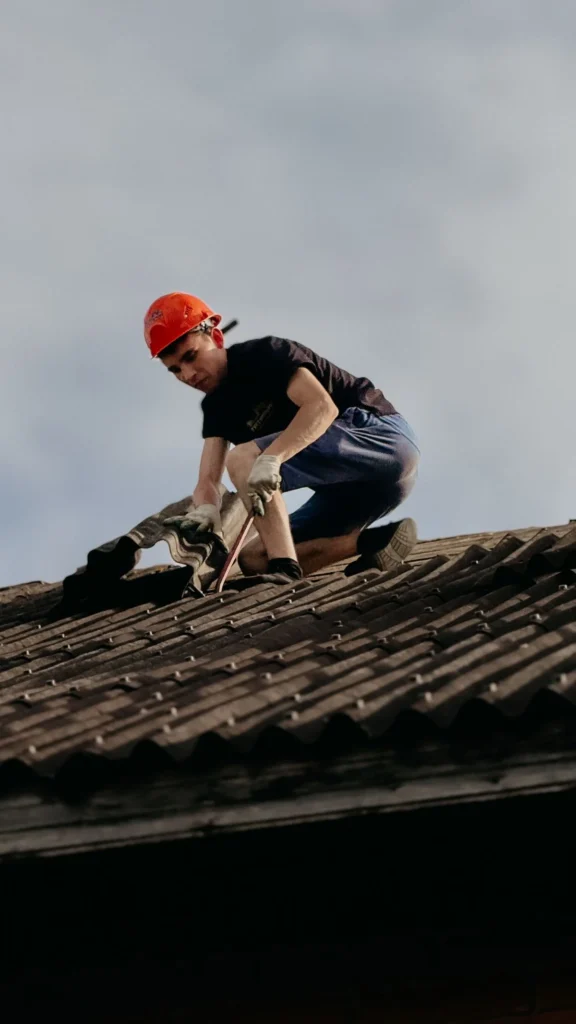
Replacement wins when repairs become a subscription. If you are calling someone out every storm season, if damage covers multiple slopes, if the roof is past its expected lifespan for its material, or if the decking underneath is soft or sagging — you are spending good money after bad. When a roof is past its expected lifespan for its material, a Texas roof replacement is the honest recommendation. There is also the insurance angle: many Texas insurers get nervous about roofs past fifteen to twenty years, and some will not renew a policy on a worn roof. A new roof resets the clock, often lowers your stress about every forecast, and can even help with insurance. When we inspect a roof that is truly done, we say so plainly — and when it has life left, we say that too.
Not sure which side you are on? That is exactly what a free inspection is for. Call (214) 286-6393 and get an honest answer about your roof — no pressure, no guesswork.
Does a “30-year shingle” really last 30 years in Texas?
Not usually. That number describes a product tier and a limited warranty against manufacturing defects — it is not a promise of service life. In real Texas conditions, with our heat, UV, and hail, most architectural shingles deliver eighteen to twenty-five good years. Treat the warranty number as a ceiling, not a forecast, and judge your roof by its condition, not its birthday.
How do I know if my Texas roof needs repair or replacement?
Age is a clue, but condition decides. If damage is limited to one area and the rest of the roof is sound, repair is usually the smart move. If you see widespread granule loss, curling or missing shingles across multiple slopes, repeated leaks, or a sagging deck, replacement is likely the better investment. A professional inspection — which we offer free in Allen — gives you a clear, honest answer either way.
Will my insurance cover an old roof in Texas?
It depends on your policy and the cause of damage. Insurance generally covers sudden damage like hail or wind, not normal aging and wear. Many Texas insurers also look closely at roof age when renewing policies, and a worn roof can complicate coverage. Review your policy, document storm damage with photos right away, and talk to your agent about how your roof’s age affects your coverage.
How can I make my roof last longer in the Texas heat?
The big three: keep your attic ventilated so heat and moisture escape, get a professional inspection once a year and after major storms, and fix small damage immediately. A cracked pipe boot or lifted shingle today is a leak next season. Clean gutters and trimmed trees help too. Consistent small maintenance routinely adds years to a roof’s life in Texas.
How often should I get my roof inspected in Allen, TX?
Once a year is the baseline, plus an extra check after any serious hail or windstorm. Allen sits in prime hail country, and hail damage often hides for months before it becomes a leak. A quick annual inspection is the simplest way to catch problems while they are still cheap to fix — and to know exactly where your roof stands in its lifespan.
Call (214) 286-6393 for fast roof repair in Allen, TX — or request your free inspection online.
By Roof Repairs Allen TX — serving homeowners across Allen, TX and surrounding North Texas communities.

The Roof Repairs Allen TX Team shares expert roofing tips, maintenance advice, and practical solutions for homeowners and businesses in Allen, Texas. Our goal is to help property owners make informed roofing decisions through reliable and easy-to-understand content.